
The Public Story and the Private Truth
The Murder of Roger AckroydThis flow follows how public reports and village assumptions repeatedly misstate events before private knowledge corrects them.
increasing Bearing strength in each event
 decreasing
Bearing strength in each eventdecreasingVillage Knowledge
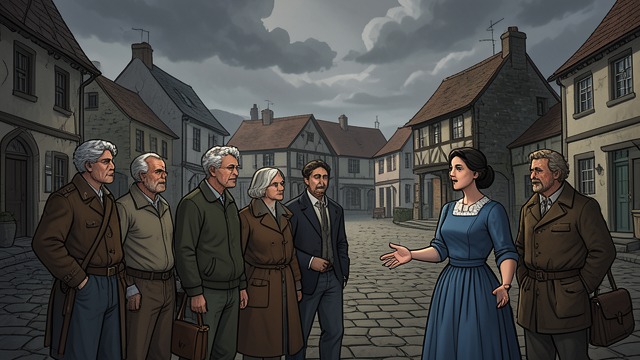
Village Knowledge
Gossip as daily practice
Residents treat the affairs of Ackroyd, Ferrars, and their households as common discussion. Caroline exemplifies the network that turns fragments into confident narratives.
A social world of guesses
Gossip may preserve useful details, but it also confuses rumor with evidence. The village’s confidence often arrives before its understanding.
A Death Misread
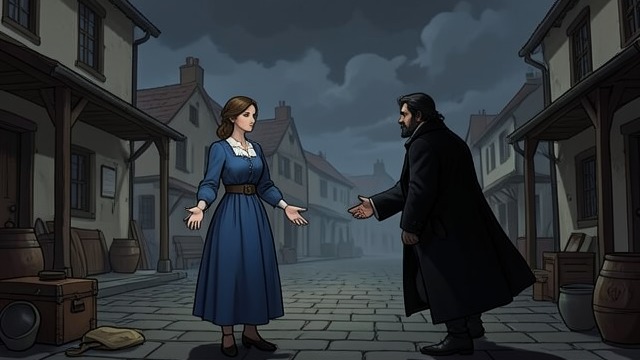
A Death Misread
Competing explanations
Caroline calls Mrs. Ferrars’s death suicide and attributes it to remorse. Sheppard publicly insists the overdose was accidental while privately entertaining doubts.
Reputation shapes interpretation
The same facts support different stories because each speaker has a different stake in what should be believed. The uncertainty foreshadows the murder’s competing accounts.
A Newspaper Creates a Fugitive
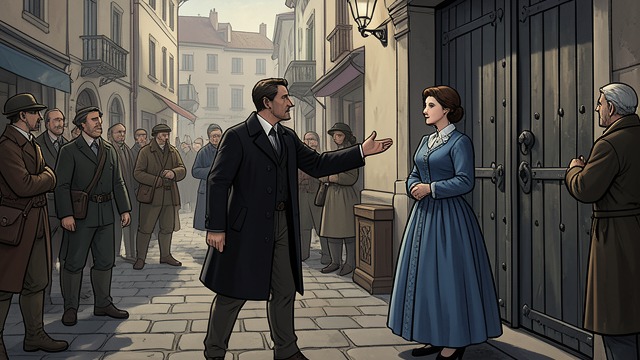
A Newspaper Creates a Fugitive
A deliberate falsehood
Poirot arranges a report claiming Ralph has been arrested in Liverpool and is about to sail for America. The announcement is designed to provoke anyone whose secret depends on his silence.
A lie reveals truth
Ursula comes forward when she believes further concealment is useless. Public misinformation becomes an instrument for uncovering private truth.
A False Case in Print
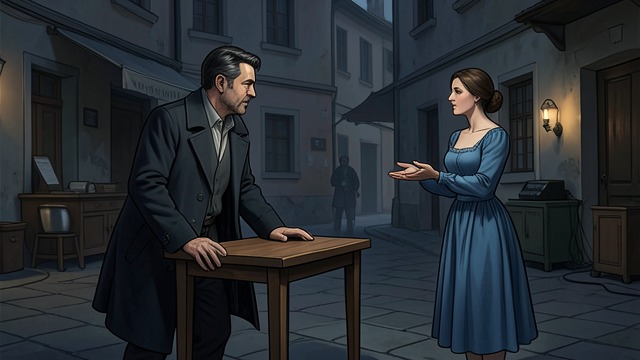
A False Case in Print
Caroline’s interpretation
Caroline treats the report as confirmation that Ralph has been caught and proposes an insanity defense. The public story outruns the facts once again.
Deliberate manipulation
Poirot knows the report is false but uses its emotional effect to elicit testimony. The tactic raises ethical questions about whether deception can serve the pursuit of truth.
Private Truth Restored
Private Truth Restored
Accounts corrected
Ursula’s marriage, Flora’s theft, Kent’s visit, and the Dictaphone each correct a public misunderstanding. Poirot places these separate truths in a single explanation.
A final concealed ending
Sheppard’s confession is addressed to Poirot rather than the village. The murderer’s truth is complete, but its public disclosure is left to a decision shaped by mercy and justice.
At the opening, in King’s Abbot
Friday morning after Mrs. Ferrars dies
Near the ending, before Poirot’s final gathering
The morning after Poirot plants the report
At the final gathering and its aftermath
